Mardi Gras Parade Order Shifts Saturday as Float Repairs Slow Second Line

Mardi Gras in New Orleans is a festival of elaborate floats, marching bands, and enthusiastic crowds. But for 2025, the familiar rhythm of parades is facing a disruption: a series of float repairs has forced a last-minute reversal of the Saturday parade order, with the Krewe of Bacchus and several others sidelined. Local media have described the situation as “parade chaos,” but for the savvy traveler, understanding the changes can turn a potential headache into a manageable, even enjoyable, visit.
Mardi Gras 2025 Second Line Disrupted by Float Repairs
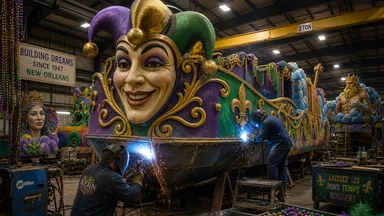
On Saturday, the traditional second-line parade order was reversed, meaning krewes that usually roll later in the week were moved to earlier slots. The Krewe of Bacchus, known for its massive celebrity-themed floats, was among those sidelined due to structural cracks in aged fiberglass hulls. According to local news outlets, welding shops have been booked since fall, but the sheer volume of repairs—affecting an estimated 10 to 15 krewes—has overwhelmed capacity.
The city's permit window for parade routes is fixed, leaving little flexibility for rescheduling. As a result, krewe orders are being squeezed into a 48-hour window, doubling setup time and causing bottlenecks on the neutral ground. Crowds have responded by swelling earlier in the week, with Tuesday through Thursday now seeing higher attendance than usual as visitors try to avoid Saturday's chaos.
For the visitor, this means that the parade schedule is less predictable than in past years. The official Mardi Gras guide may not reflect last-minute changes, so checking local news or the krewe's social media accounts is essential. The disruption is a reminder that even a well-established festival can be upended by infrastructure challenges.
Some locals argue that the repair backlog is a symptom of deferred maintenance, as many floats are decades old and used year after year. Others point to the increasing complexity of float designs, which require more specialized repairs. Regardless of the cause, the effect is a more crowded early week and a Saturday that may disappoint those expecting a traditional lineup.
Beyond Bacchus, other major krewes have also been affected. The Krewe of Endymion, which typically rolls on Saturday night, has had to swap its slot with the Krewe of Iris, moving from evening to afternoon. This shift means that spectators who planned for a night parade now face a daytime event, altering the lighting and atmosphere. The Krewe of Tucks, known for its humorous satirical floats, has been moved to a Tuesday slot, a day that usually features smaller krewes. This compression has led to longer waiting times between parades, as setup crews rush to prepare floats in sequence. For example, on Wednesday, the gap between the Krewe of Muses and the Krewe of Nyx has shrunk from the usual two hours to just 45 minutes, making it difficult to move between viewing spots.
Some smaller krewes have opted to cancel their 2025 parade entirely rather than rush repairs. The Krewe of 'tit Rəx, a walking krewe known for its handmade throws, announced in early January that it would not roll this year, citing safety concerns over aging float trailers. This decision has disappointed loyal fans but underscores the seriousness of the maintenance backlog. On the other hand, the Krewe of Chewbacchus, a sci-fi-themed group, has embraced the changes by hosting a pop-up block party in the Marigny, offering an alternative for those seeking a more intimate experience.
Why Float Repairs Cascade Through Parade Schedule
Aged fiberglass hulls are prone to cracking under the stress of repeated use and Louisiana's humid climate. Many krewes begin repairs months in advance, but the 2024 carnival season saw an unusual number of accidents and wear-and-tear issues. Welding shops that specialize in float repair have been booked since fall, and some krewes report waiting weeks for a slot.
The city permit window is another constraint. New Orleans issues parade permits months ahead, and changes require approval from multiple agencies, including the police department and the mayor's office. Once permits are locked in, rerouting a krewe to a different day is logistically complex, as it affects street closures, security, and sanitation crews.
As a result, when repairs force a delay, the only option is often to swap parade slots within the same week. This creates a domino effect, pushing later krewes into earlier slots and compressing the schedule. The city's official parade calendar may show a neat list, but the reality is a fluid, last-minute arrangement that can frustrate both participants and spectators.
Some krewes have opted to skip the 2025 season entirely, while others have scaled back their float count. The Krewe of Bacchus, for example, announced in January that it would field only 20 floats instead of its usual 30, focusing on repairs for the remainder. This reduction means fewer throws and a shorter parade, but it allows the krewe to preserve its iconic floats for future years. Similarly, the Krewe of Orpheus has reduced its float count from 25 to 18, citing similar repair constraints. These reductions have a ripple effect on the parade experience: fewer floats mean shorter parades, which can lead to more intense crowding as spectators cluster in a smaller area.
Another factor is the availability of specialized labor. Float repair requires skilled welders and fiberglass technicians, a niche trade that is in short supply. According to industry sources, there are fewer than a dozen shops in the New Orleans area capable of major float repairs, and their capacity is limited. One shop owner reported that his team of six welders has been working double shifts since November, yet they still cannot keep up with demand. This bottleneck means that even minor repairs can cause significant delays, as krewes must compete for limited appointments.
Some krewes have turned to alternative solutions, such as renting floats from other krewes or using temporary repairs. The Krewe of Thoth, for instance, borrowed three floats from the Krewe of Hermes to fill gaps in its lineup. However, rented floats often lack the unique decorations and themes that make each krewe distinct, leading to a less authentic experience. Temporary repairs using epoxy and tape can get a float through a single parade, but they increase the risk of breakdowns on route. In 2024, a Krewe of Mid-City float suffered a wheel failure during the parade, causing a 30-minute delay and highlighting the dangers of inadequate maintenance.
How Visitors Should Adjust Their Itinerary
Given the schedule shifts, the smartest approach is to book lodging for Tuesday through Thursday, when crowds are still manageable and parade routes are less congested. Saturday night rates spike by 40 to 60 percent in popular neighborhoods like the French Quarter and Marigny, but even with higher prices, the parade order may be unpredictable.
Uptown and Mid-City are the best areas to stay, as they are close to the main parade routes along St. Charles Avenue and Canal Street. These neighborhoods offer a mix of hotels, guesthouses, and short-term rentals, with prices typically $200 to $300 per night for a mid-range option. Avoid the French Quarter on parade days—it's a bottleneck of pedestrian traffic, and rideshare vehicles often face long waits.
For transportation, use the St. Charles streetcar line, which runs 24 hours during Mardi Gras and costs $1.25 per ride. Buses on route 88 also serve the parade corridor, but they can be packed. Walking between Canal Street and Napoleon Avenue is feasible for those comfortable with a mile or two, and it avoids surge pricing on ride-hail apps.
If you must attend Saturday parades, arrive early—by noon—to secure a spot along the route. Bring snacks and water, as vendors mark up prices significantly. Consider watching from the Uptown stretch of St. Charles, where the crowds are slightly thinner than near the start or end of the route.
Another strategy is to follow specific krewes on social media for real-time updates. Many krewes post last-minute changes to their parade start times or routes on Twitter or Facebook. For example, the Krewe of Iris announced a 30-minute delay on its Wednesday parade via Instagram, allowing followers to adjust their plans. Similarly, the Krewe of Nyx uses a dedicated app to share float positions and throw alerts. These tools can help you navigate the fluid schedule.
If you're flexible with dates, consider arriving on Sunday or Monday instead of Tuesday. The weekend before Mardi Gras day typically features fewer parades, but the crowds are smaller and lodging is cheaper. The Krewe of Joan of Arc parades on January 6 (Twelfth Night), offering a low-key start to the season. For those who prefer a quieter experience, the week after Mardi Gras day is also an option, though many krewes have already rolled.
Three-Day Window: Manageable Pace Without Car
A three-day visit from Tuesday to Thursday offers a humane pace without the need for a car. Day 1: arrive Tuesday, check into a hotel near the St. Charles streetcar line, and spend the afternoon exploring Uptown. The parade schedule on Tuesday typically includes smaller krewes, so the crowds are lighter. Grab a po'boy at a local spot and wander the Garden District.
Day 2: Wednesday is a big parade day, with several krewes rolling through the Uptown route. Arrive by early afternoon to claim a spot. Bring layers—morning temperatures can be in the low 40s°F, while afternoons reach the high 60s°F. The streetcar will be crowded, so consider walking from your hotel if it's within a mile.
Day 3: Thursday features more floats, but the schedule may shift due to the repair backlog. Check local news in the morning for any updates. Pack a rain jacket, as February showers are common. In the evening, explore the quieter neighborhoods like Bywater or the Marigny, which have their own Mardi Gras traditions without the main parade crowds.
Skip Saturday chaos entirely unless you have a specific krewe you must see. The compressed schedule means Saturday is now a jumble of rescheduled parades, and the experience is less festive than previous years. Instead, use Saturday to explore the city's museums, like the National WWII Museum, or take a swamp tour outside town.
If you have more time, consider extending your stay to include Lundi Gras (the Monday before Mardi Gras day). This day features the Krewe of Proteus and the Krewe of Orpheus parades, along with the traditional Lundi Gras celebration at Spanish Plaza. The crowds are larger than Tuesday through Thursday but smaller than Saturday. Lodging for Monday night is typically in the $250–$350 range, similar to weeknights. Alternatively, Mardi Gras day itself (Tuesday) is the climax, with the Krewe of Zulu and Rex parades. However, this day is extremely crowded, and public transit is overwhelmed. If you choose to attend, plan to arrive by 8 am and expect to stand for hours.
For those who prefer a less structured itinerary, consider renting a bike. Blue Bikes, the city's bike-share system, has stations throughout Uptown and the French Quarter. During Mardi Gras, bikes offer flexibility to avoid traffic jams and crowds. However, be aware that bike racks near parade routes fill up quickly, and you may need to lock your bike several blocks away. The cost is roughly $10–$15 per day for a membership, which includes unlimited 60-minute rides. Walking is also a viable option for distances under 2 miles, and it allows you to explore side streets and local shops that you might miss on public transit.
Lodging Costs Ground Truth: $200–350 per Night
Mid-range hotels in Uptown or Mid-City typically cost $200 to $300 per night during the week, with Saturday-only stays doubling that rate. Short-term rentals on Airbnb average $150 to $250, but prices surge during Mardi Gras. To secure the best rate, book before October; by January, many properties are fully booked or priced at a premium.
Hostels offer a budget option at $50 to $80 per night, but they fill up quickly—book three months out at minimum. The HI New Orleans Hostel on Canal Street is a popular choice, with dorm beds and private rooms. It's located near the streetcar line, making it easy to reach parade routes.
For those willing to share space, a private room in a guesthouse can be found for $100 to $150, but amenities vary. Read reviews carefully, as some properties may not have reliable heating or soundproofing. Earplugs are recommended for any lodging near a parade route, as noise continues until late night.
If you're on a tight budget, consider staying in a neighboring suburb like Metairie or Kenner, where hotels are cheaper and parking is easier. However, you'll need a car or rely on the RTA bus system, which runs less frequently. The trade-off is lower cost for longer commute times.
Another option is to stay in the Garden District, which offers a quieter atmosphere and is within walking distance of the St. Charles parade route. Guesthouses in this area range from $150 to $250 per night, but availability is limited. The Pontchartrain Hotel on St. Charles Avenue is a classic choice, with rooms starting around $200 per night. Its location directly on the parade route means you can watch from the hotel's front porch, avoiding the street crowds. However, book early—this hotel fills up months in advance.
For luxury seekers, the Windsor Court Hotel in the Central Business District offers rooms from $400 per night, with amenities like a spa and fine dining. While expensive, it provides a quiet retreat from the chaos. Alternatively, the Maison de la Luz in the Warehouse District is a boutique hotel with rates around $300 per night, known for its stylish decor and proximity to the parade route.
If you're traveling with a group, consider renting a house in Uptown or the Marigny. A four-bedroom house can cost $500 to $800 per night, but splitting among friends can be cost-effective. Websites like VRBO and Airbnb list many such properties, but be sure to check cancellation policies, as last-minute schedule changes may force you to adjust plans.
Transport Surge: Ride-Hail Prices Triple During Parades
Uber and Lyft prices triple after 6 pm on parade days, with a typical ride from the French Quarter to Uptown costing $25 to $40 instead of the usual $8 to $12. Surge pricing can last until midnight, especially on weekends. To avoid this, use the streetcar, which runs 24 hours on Mardi Gras and costs $1.25 per ride (exact change or a Jazzy Pass).
Bus route 88 serves the parade route along St. Charles and Canal, but it can be overcrowded. Bike-share stations from Blue Bikes are an option, but they often empty during peak hours. Walking between Canal Street and Napoleon Avenue (about 1.5 miles) is a reliable alternative if you're comfortable with the distance.
If you must use a rideshare, walk a few blocks away from the main parade route to reduce surge pricing. Pickup zones near hotels or side streets are less congested. Some locals recommend using the "wait and save" option in the app, which can cut costs by 10 to 20 percent if you're not in a rush.
For those driving into the city, parking garages charge $20 to $40 per day, but many fill up by noon. Street parking is scarce and often requires a permit. A better option is to park at a remote lot near the airport and take the airport shuttle to your hotel, then rely on public transit for the duration of your stay.
Another transport option is the Canal Street streetcar line, which runs parallel to the parade route and connects the French Quarter to Mid-City. This line is less crowded than the St. Charles line during parades, as it is slightly farther from the main viewing areas. However, it still provides access to Canal Street, where some parades pass. The fare is the same $1.25 per ride.
For those with disabilities, the RTA offers paratransit services, but advance reservations are required. Contact the RTA at least 48 hours in advance to arrange pickups. During Mardi Gras, paratransit vehicles may face delays due to street closures, so plan accordingly. Some hotels also offer shuttle services to parade routes; check with your front desk.
If you're staying in the French Quarter, consider using a pedicab for short trips. Pedicabs are regulated by the city and charge $10–$20 per ride, depending on distance and demand. They can navigate through pedestrian crowds more easily than cars, but they are not available in large numbers. Negotiate the fare before boarding, as some drivers may try to overcharge during peak times.
What to Pack for February Weather and Crowds
February in New Orleans brings high temperatures in the high 60s°F and lows in the low 40s°F. A rain jacket is essential, as afternoon showers are common. Comfortable walking shoes are a must—you'll likely walk several miles each day. A small backpack allows you to carry layers, water, and snacks.
Earplugs are recommended for sleep, especially if your lodging is near a parade route or a busy street. Noise from crowds and music can continue until late night. A reusable water bottle is useful, as vendors charge $3 to $5 for bottled water. Sunscreen is also important, as the sun can be strong even in winter.
For parade viewing, bring a small folding chair or a blanket to sit on the curb. Many locals use step stools or ladders to see over the crowd, but these can be cumbersome. A bag for catching throws (beads, coins, stuffed animals) is optional but adds to the fun. Leave valuables at home—pickpocketing is rare but happens in crowded areas.
Finally, bring a sense of flexibility. The parade schedule is fluid, and last-minute changes are likely. Check local news each morning and have a backup plan. Mardi Gras is about celebration, not perfection. With the right preparation, you can enjoy the festivities even amid the float repair chaos.
Additional items to consider: hand sanitizer, as public restrooms may lack soap; a portable phone charger, since you'll use your phone for maps and updates; and a small umbrella for both rain and sun. If you plan to take photos, a camera with a zoom lens can capture floats from a distance, but be mindful of crowds. A fanny pack or money belt is safer than a backpack for carrying cash and cards.
For those with children, bring snacks and entertainment to keep them occupied during waits. Many families bring small toys or coloring books. Ear protection for kids is also wise, as parade music can be loud. Strollers are allowed but can be difficult to maneuver in crowds; consider a baby carrier instead.
If you're attending multiple parades, consider purchasing a Jazzy Pass, which offers unlimited rides on RTA buses and streetcars for a set period. A 3-day pass costs around $15, a 5-day pass around $20. These can be purchased at convenience stores or online. They save you from fumbling for exact change and are cost-effective if you use transit frequently.
Lastly, be prepared for the possibility of parade cancellations due to weather. The city may cancel parades if high winds or lightning are forecast. In such cases, have an indoor backup plan, such as visiting the Louisiana Children's Museum or the Ogden Museum of Southern Art. Many restaurants and bars also host Mardi Gras-themed events indoors.