Rwanda Visa Approval Timers Differ for Kigali Airport vs Cyanika Land Crossing

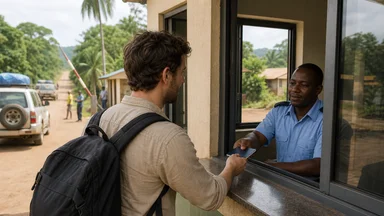
Rwanda has become one of East Africa's more accessible destinations for travelers, with an e-visa system and visa-on-arrival options that streamline entry. But the experience of getting that entry permit differs significantly depending on whether you fly into Kigali International Airport or walk across the Cyanika land border from Uganda. The difference isn't just about convenience—it can affect your budget, your schedule, and even whether you get in at all.
The Visa Timer: Kigali Airport vs. Cyanika Land Crossing
Rwanda's e-visa application, processed through the official Directorate General of Immigration and Emigration website, promises approval within 72 hours. Many travelers report receiving their visa in 24 to 48 hours, but the official window leaves room for delays. The e-visa fee is listed at roughly US$30 for a single-entry tourist visa, though some online forum posts from mid-2023 mention paying closer to US$50 when using third-party agents.
At Kigali Airport, visa-on-arrival is straightforward. You queue at a counter, present your passport, pay the fee—typically US$30 to US$50 in cash—and receive a stamp. The process usually takes under 30 minutes, assuming the flight arrival isn't during a peak window when multiple international flights land simultaneously. The airport has reliable internet, so officers can verify your details quickly.
Cyanika border, by contrast, is a slower proposition. Travelers report wait times that can exceed two hours, especially during mid-morning or early afternoon when foot traffic from the nearby Ugandan town of Kisoro peaks. The border post has intermittent internet connectivity, which means officers may struggle to verify e-visa approvals. Some travelers have been asked to present a printed copy of their e-visa approval letter; without one, the officer may require you to wait until the connection returns or pay for a visa-on-arrival instead.
Cyanika's operating hours are officially 6am to 6pm, but several forum posts from late 2023 note that the border sometimes closes early—around 4pm or 5pm—if staff are short or if there is little traffic. If you arrive late, you may need to sleep on the Ugandan side and cross the next morning. The border does not have a dedicated visa office; immigration officers work from a small room with limited equipment.
For a concrete summary: Kigali Airport processes visa-on-arrival in under 30 minutes with reliable internet, while Cyanika can take over two hours and depends on a stable connection. The e-visa is recommended for both entry points, applied at least one week ahead to account for any delays.
Why the Border Matters for Budget Travelers
Overland entry is common among travelers doing the Uganda-Rwanda loop—a popular route that includes gorilla trekking in Bwindi Impenetrable National Park (Uganda) and Volcanoes National Park (Rwanda). Cyanika is the nearest border crossing to Kisoro, a town that serves as a gateway to Bwindi. Many budget travelers take a local bus from Kisoro to Cyanika, a journey of about 30 minutes that costs roughly US$2 to US$4.
Flying into Kigali Airport, on the other hand, often requires a taxi to the city center—around US$8 to US$12 depending on negotiation. From Kigali, you then need to arrange onward transport to Volcanoes National Park or other destinations, adding another US$10 to US$20 for a shared minibus. The airport visa-on-arrival fee is the same as or slightly higher than the e-visa fee, but the convenience comes at a cost.
For budget travelers, the overland route through Cyanika can save US$10 to US$20 in transport costs compared to flying into Kigali and then traveling north. However, that saving is offset by the risk of a longer border wait or an unexpected overnight stay if you arrive too late. The trade-off is real: money versus time.
Some travelers combine the two: fly into Kigali, get the visa-on-arrival quickly, then take a bus north to the border for a day trip to Uganda. But that approach means paying two visa fees if you re-enter Rwanda. The single-entry e-visa is valid for one entry only, so you would need a multiple-entry visa (roughly US$50 to US$80) or pay for a second visa-on-arrival upon return.
For those on a strict budget, the overland loop—entering Uganda via Cyanika, then re-entering Rwanda at the same border—is the most cost-effective. But it requires careful timing and patience at the border.
Paperwork and Packing: What to Prepare Before You Go
Before heading to either entry point, make sure you have the following physical documents: a printed copy of your e-visa approval letter (if you applied), a printed hotel booking confirmation, your yellow fever card, and a photocopy of your passport main page. Keep these in a separate folder from your passport itself.
Carry US dollars in cash for the visa fee. Rwanda's immigration offices accept US dollars, euros, and sometimes Rwandan francs, but US dollars are the most reliable. Bring small bills—US$10 and US$20 notes—to avoid needing change. Larger bills may be rejected if they are worn or have marks.
At Cyanika, there is no ATM nearby. The nearest bank branch is in Kisoro, Uganda, about 30 minutes away by bus. If you need to withdraw cash, do so before crossing. Also bring small Ugandan shillings for transport to the border, as drivers may not have change for large notes.
Passport photos are not always required, but having two per person is a good precaution. Some travelers report being asked for a photo at Cyanika to attach to the visa sticker. The border post does not have a photo booth.
Finally, pack a pen for filling out forms. Immigration forms are sometimes available at the border, but they are not always stocked. A pen saves you from waiting for another traveler to finish.
Common Paperwork Mistakes That Get You Turned Around
One of the most frequent errors travelers make is applying for the e-visa less than 48 hours before arrival. The official processing time is up to 72 hours, and even with expedited processing (sometimes available through agents), you risk not receiving the approval before your flight or border crossing. Without a printed approval, you may be denied entry or forced to pay for a visa-on-arrival—if the border has the facilities to process one.
Another common mistake is using an old passport number on the application. If you have renewed your passport since your last trip, the number will have changed. The e-visa is tied to the passport number you enter; a mismatch can lead to rejection at the border. Always double-check that the passport number on the application matches the document you carry.
Not carrying a printed hotel booking is another pitfall. Immigration officers at both Kigali Airport and Cyanika may ask for proof of accommodation. A digital copy on your phone might suffice, but if the network is down, a printed confirmation is safer. Some travelers report being asked for the first night's booking only, while others have been asked for a full itinerary.
Passport validity is a strict requirement: your passport must have at least six months of remaining validity from the date of entry. This is standard for most countries, but it's easy to overlook. At Cyanika, officers have turned away travelers whose passports expire in five months. The rule is enforced uniformly.
Yellow fever vaccination is mandatory for entry into Rwanda. You must carry the yellow fever card (International Certificate of Vaccination or Prophylaxis) and present it at the border. Without it, you may be denied entry or required to get vaccinated on the spot—though that's not always available at land crossings. Kigali Airport has a health desk that can vaccinate for a fee (around US$10 to US$20), but Cyanika does not.
Finally, some travelers forget that the e-visa is only valid for a single entry unless you specifically apply for a multiple-entry visa. If you plan to exit and re-enter Rwanda (for example, to visit Uganda and then return), you need a multiple-entry visa or you must pay for a new visa-on-arrival each time. This mistake can add unexpected costs.
Data Stale: What Officials Say vs. Online Forums
Rwanda's Directorate General of Immigration and Emigration website contains official information, but as of early 2024, some pages had not been updated since 2022. The e-visa fee listed on the site is US$30 for a single-entry tourist visa, but travelers on TripAdvisor and Lonely Planet forums from mid-2023 report paying US$40 to US$50, especially when using agents. The discrepancy likely comes from agent service fees or currency conversion charges.
Online forum posts from mid-2023 describe wait times at Cyanika ranging from 30 minutes to over three hours. One traveler wrote on TripAdvisor in July 2023 that they waited two hours for an e-visa to be verified because the internet was down; the officer eventually accepted a screenshot on a phone. Another reported on Lonely Planet's Thorn Tree forum in September 2023 being asked to pay a "processing fee" of US$10 on top of the visa fee, though this is not official policy and may be an isolated incident.
Cyanika's official opening hours are 6am to 6pm, but multiple sources note that the border sometimes closes for lunch (12pm to 2pm) or earlier in the afternoon. A blog post from November 2023 by a solo traveler stated that they arrived at 4:30pm and were told the border was closed for the day. The lack of a single authoritative source for border-specific quirks makes planning difficult.
For Kigali Airport, the visa-on-arrival process is well-documented and consistent. The fee is officially US$30 for a single-entry tourist visa, but some travelers have been charged US$50—possibly because they arrived without a printed e-visa and were processed under a different category. The airport's immigration desk is open 24 hours, so late-night arrivals are accommodated without issue.
The bottom line: official data is a starting point, but recent traveler reports are essential for accurate planning. The gap between policy and practice is widest at land borders.
Cost Breakdown: E-Visa vs. Visa-on-Arrival per Entry Point
For a single-entry tourist visa, the e-visa costs roughly US$30 to US$40 when applied directly through the official website. If you use a third-party agent to handle the application, expect to pay an additional US$5 to US$10 in service fees. The total cost through an agent can reach US$50. The e-visa is valid for 30 days from the date of entry.
Visa-on-arrival at Kigali Airport costs US$30 to US$50, depending on the officer's discretion and whether you have a printed hotel booking. Some travelers report paying exactly US$30; others have been charged US$50 without explanation. The visa is also valid for 30 days.
At Cyanika, visa-on-arrival is available but less reliable. The official fee is the same as at the airport—US$30—but the process is slower. If the internet is down, you may be asked to wait or to pay an additional "expedite" fee (unofficial). Some travelers have paid US$40 to US$50 total, including unofficial charges.
If you apply for the e-visa and print the approval, you skip the visa-on-arrival queue at both entry points. At Kigali Airport, you still need to present the approval at immigration, but the process is faster. At Cyanika, the printed approval can save you from internet-related delays.
For budget travelers, the cheapest option is the e-visa applied directly (US$30), with a printed copy and a hotel booking. The most expensive is visa-on-arrival at Cyanika with unofficial fees (up to US$50). The difference of US$20 can cover a night's accommodation in a budget hostel in Kigali.
Practical Recommendation: Choose Based on Your Route
Rwanda's visa system works, but it rewards preparation. For travelers arriving by air, Kigali Airport offers a fast, predictable visa-on-arrival process—ideal if you have a tight schedule. For those coming overland from Uganda, Cyanika is a viable alternative, but only if you have applied for the e-visa at least a week in advance and carry printed documents. The border's internet issues and variable hours mean you should plan for a three-hour buffer.
Budget travelers should lean toward the overland route to save on transport, but only if they have applied for the e-visa at least a week in advance. The cost savings of US$10 to US$20 can be eaten up by unofficial fees or an extra night's stay if things go wrong. For those on a tight schedule, the airport is the safer bet.
The official data from Rwanda's immigration website is a useful starting point, but it is stale and doesn't capture border-specific nuances. Supplement it with recent forum posts or blogs. No single source aggregates all the quirks of Cyanika versus Kigali, so cross-referencing is key.
Ultimately, the choice between Kigali Airport and Cyanika land crossing depends on your larger itinerary. If your trip involves both Uganda and Rwanda, the overland loop via Cyanika makes sense. If you are flying directly into Kigali and staying in Rwanda, the airport visa-on-arrival is straightforward. Either way, the e-visa is a smart move—it gives you a backup and can save you time at the border.
For more on managing waits and queues at travel pinch points, see our article on Mont Saint-Michel causeway waits and the Stromboli permit cap situation. And if you're planning a safari, check out the wildebeest migration signals for lodge availability.