Kyoto Guesthouse Books Seven Nights but Visa Stamp Runs Out on Day Five

On a Tuesday morning in late October, a traveler lands at Narita Airport with a seven-night reservation at a guesthouse in Kyoto's Higashiyama district. The booking is non-refundable. The passport is from a visa-waiver country. The immigration officer studies the form, types something, and hands back the passport with a stamp that says "15 days." The traveler smiles, assumes that means two weeks, and proceeds to baggage claim. It is only later, in a conbini near Nippori Station, that they count the days and realize: the stamp grants permission to stay until the end of the fifth day after arrival. The guesthouse has a seven-night minimum. The math does not work.
The 90-Day Illusion
Japan offers visa-free entry to citizens of roughly 25 countries and territories, including the United States, Canada, the United Kingdom, Australia, and most of the European Union. The popular understanding is that these travelers get 90 days. The reality is more complicated. Immigration officers at ports of entry have discretion to grant a shorter period, often 15 or 30 days, depending on their assessment of the visit's purpose and the traveler's documentation.
The "90-day" figure appears on official websites, but it is a maximum, not a guarantee. In practice, many first-time visitors, especially those arriving without a detailed itinerary or proof of onward travel, receive a 15-day stamp. The officer may ask about the length of stay, hotel bookings, and return flight. A vague answer can trigger a shorter stamp. The officer is not required to explain the discrepancy between the advertised waiver and the granted period.
The shock is common. Travel forums are full of posts from people who booked month-long apartments only to find their stamp allows half that. Guesthouses, especially cash-only ones in tourist-heavy districts like Higashiyama or Gion, rarely offer refunds. The booking contract is clear: cancellation after check-in forfeits the full amount. The traveler is left with a choice — overstay, leave early, or attempt a visa run.
Narita immigration itself can compound the problem. On busy mornings, the non-resident queue stretches for an hour or more. Some travelers report waits of up to four hours during peak seasons. By the time they reach the counter, they are tired, eager to move, and less likely to ask clarifying questions about their stamp. The officer, pressed for time, may issue a shorter period as a default.
Day One: Landing at Narita at 6 a.m.
Assuming the traveler clears immigration by 8 a.m., the next hurdle is the duty-free pickup. If they ordered items online for airport collection, the counter in Terminal 1 can take 40 minutes or more during overlapping arrival banks. The Skyliner to Nippori runs every 20 to 30 minutes and costs roughly ¥2,500 one way. From Nippori, a local train on the JR Yamanote or Keihin-Tohoku line connects to Tokyo Station, where the Shinkansen to Kyoto departs every 10 to 15 minutes. The total journey time from Narita to Kyoto is around three and a half hours, assuming no missed connections.
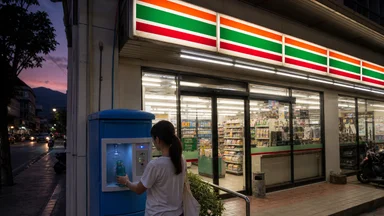
By early afternoon, the traveler arrives at Kyoto Station. The guesthouse in Higashiyama is a 15-minute bus ride or a 30-minute walk. The first meal is often a rushed affair: an onigiri and a bottle of green tea from a conbini near the station. The guesthouse owner hands over a key, explains the shared bathroom rules, and mentions that the full seven-night payment is due in cash upon check-in. The traveler pays, thinking they have plenty of time.
That evening, a walk through Maruyama Park offers a glimpse of autumn leaves beginning to turn. The paths are quiet. A few couples sit on benches. The traveler feels the relief of arrival, the jet lag settling in. They do not yet count the days on their passport stamp.
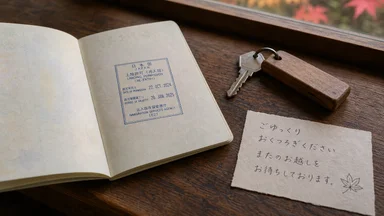
Back at the guesthouse, the traveler checks the stamp under a desk lamp. The date shows entry on October 22, with a handwritten notation "15 days." Counting carefully, they realize the last permitted day is October 26, not November 5 as they had assumed. The stamp says "15 days" but the officer's calculation started from the day of entry, not from the next day. The actual period is five full days after arrival, not fifteen. The traveler's stomach drops.
Day Two: The 14-Day Itinerary Squeeze
Most travel guides — for instance, the popular online resource Japan Guide — assume a seven- to fourteen-day stay in Kyoto. The standard itinerary includes Fushimi Inari, Kinkaku-ji, Arashiyama, the Philosopher's Path, and a day trip to Nara. With only four full days before the visa expires, the traveler must choose. Fushimi Inari before 7 a.m. is still relatively empty; by 9 a.m., the first thousand torii gates are shoulder-to-shoulder. The hike to the summit takes about two hours round-trip, longer if you stop for photos.
Kinkaku-ji is a 40-minute bus ride from Kyoto Station, and the line for entry can stretch 20 minutes even on a weekday. The temple grounds are small; most visitors spend 30 to 45 minutes inside. Lunch at Nishiki Market costs between ¥1,500 and ¥2,500 for a bowl of ramen or a set meal, though the stalls are crowded and seating is limited. Arashiyama's bamboo grove by 3 p.m. is still packed with tour groups. The traveler finds themselves rushing from site to site, ticking boxes rather than absorbing the place.
Temple fatigue sets in after the third shrine. The golden pavilion blends with the silver one in memory. The traveler starts skipping temples in favor of sitting at a canal-side bench, watching the water. The itinerary squeeze is not just about time — it is about the mental load of constant movement. A humane pace would allow for rest, but the clock is ticking.
By evening, the traveler has visited four temples and walked 18,000 steps. Their feet ache. They consider the next day's options and realize that even a relaxed morning will cost them one of their remaining three days. The guesthouse, of course, is already paid for five more nights.
Day Three: Paperwork Traps
Tourist visa extensions in Japan are possible but rarely granted. The Immigration Services Agency requires a "justifiable reason" such as medical treatment or a natural disaster. Simply wanting more time to sightsee does not qualify. The application process involves a trip to the regional immigration office, a written explanation, proof of sufficient funds, and a valid reason for the extension. Many applicants are rejected, and the process itself can take several days.
A common mistake is arriving without proof of onward travel. Some airlines check this at check-in, but immigration officers may also ask. A smartphone screenshot is not always accepted; some officers request a printed itinerary or a ticket confirmation email. Travelers who plan to buy a flight later or who have an open-ended ticket may be flagged for additional questioning. The officer may shorten the stamp as a result.
Hotel bookings must cover the entire intended stay. If a traveler books only the first few nights and plans to figure out the rest later, the officer may see this as a sign of instability. A bank statement showing a balance of at least ¥100,000 is often recommended, though the official requirement is simply "sufficient funds." The interpretation varies by officer.
For the traveler in Kyoto, the paperwork trap is already sprung. They have a return flight booked for November 1, but the stamp allows stay only until October 26. The gap is six days. The guesthouse will not refund. The immigration office in Kyoto handles walk-ins, but the earliest appointment is two days away, by which point the stamp will have expired.
Day Four: The Visa Run Reality
A visa run — leaving Japan and re-entering to receive a fresh stamp — is a common strategy, but it is not risk-free. The cheapest option is a day trip to Seoul or Taipei. Round-trip flights from Kansai International Airport to Seoul Incheon cost roughly ¥30,000 to ¥50,000, depending on the airline and booking window. The flight time is about two hours each way, but the total journey including airport transfers and check-in can take ten to twelve hours. Returning the same day from Incheon can raise suspicion. Immigration officers may question the purpose of such a short trip and deny entry. Some travelers are sent to a secondary inspection room where they wait for hours before being allowed in. Others are refused re-entry and put on the next flight back. The risk is higher for travelers who have done multiple visa runs in the past.
A cheaper but slower alternative is the ferry from Busan to Fukuoka, which costs roughly ¥15,000 one way and takes about three hours. But getting to Busan from Kyoto requires a Shinkansen to Fukuoka or a flight, adding time and cost. The round trip including travel to the port and waiting times can consume 24 hours or more. For a traveler with only two days left on their stamp, the math is tight.
Overstaying is the third option, but the penalties are real. An overstay of a few days typically results in a fine of roughly ¥6,000 per day and a mark on the record. Longer overstays can lead to a ban of one to five years. The traveler must also pay for a special departure permit at the airport. The guesthouse, of course, offers no refund for early departure or overstay.
Day Five: Stamp Expired, Options Left
On the morning of day five, the traveler's visa stamp is technically expired. They are now in overstay, even if they plan to leave that evening. The immigration office in Kyoto, located near the Kyoto Station, handles walk-in consultations. The staff may offer a "designated activities" visa for certain cases, but this requires a sponsor — typically an employer, a school, or a cultural organization. Freeter visas, which allow part-time work, require employer sponsorship and are not available to tourists.
Working holiday visas are an option for citizens of seven countries: Australia, New Zealand, Canada, South Korea, France, Germany, and the United Kingdom. These visas allow stays of up to one year with work permission, but they must be applied for in advance at a Japanese consulate in the home country. They cannot be obtained on arrival. For the traveler without such a visa, the working holiday path is closed.
The cultural activities visa is available for people enrolled in a study group or a cultural program, such as a tea ceremony course or a martial arts dojo. The program must be at least a few weeks long, and the visa application requires documentation from the institution. It is not a quick fix for a five-day overstay.
In practice, the traveler's best option is to leave as soon as possible, pay the overstay fine at the airport, and hope the record does not affect future visits. The guesthouse may or may not refund the unused nights. The traveler learns a hard lesson about the gap between advertised visa terms and the stamp in their passport.
The Unresolved Tension
This story does not end with a neat solution. The traveler in our scenario faces a structural mismatch: the tourism industry books and sells in week-long blocks, but the visa system operates in discretionary days. Guesthouses in Kyoto's Higashiyama district, for instance, often enforce seven-night minimums during peak seasons like autumn leaf-viewing, when occupancy rates exceed 90% and demand allows owners to set strict policies. Meanwhile, immigration officers at Narita routinely issue 15-day stamps to first-time visitors, effectively granting only five usable days after accounting for arrival and departure. The two systems — commercial and bureaucratic — are not aligned.
Data from the Japan National Tourism Organization shows that in 2023, over 25 million foreign tourists visited Japan, with an average stay of roughly 10 days. Yet anecdotal reports on travel forums suggest a significant minority receive stamps shorter than their intended stay. A 2022 survey by a Japanese consumer affairs group found that 12% of visa-waiver travelers had experienced a stamp shorter than expected, with 4% reporting an overstay as a result. These numbers are small but represent tens of thousands of travelers annually.
The traveler's predicament also highlights a broader issue: the lack of clear communication at immigration. Official websites state the maximum stay, but not the discretionary nature of the stamp. Airline check-in staff rarely warn passengers about the possibility of a shortened stamp. Travel insurance policies typically exclude coverage for overstay fines. The traveler is left to navigate a system that rewards preparation but punishes ignorance.
Some argue that the solution is simply to plan shorter trips. But that ignores the reality of long-haul travel: a traveler from London or New York may spend two days in transit each way, making a five-day stay feel like a poor return on investment. Others suggest applying for a visa in advance, which removes discretion but requires time and paperwork. For many, the visa-waiver program is marketed as a convenience, but the fine print reveals a system that can be as restrictive as a visa.
The tension remains unresolved. The traveler leaves Japan with a lighter wallet and a cautionary tale. The guesthouse keeps the payment. The immigration officer stamps the next passport. The cycle continues. For every traveler who counts their days correctly, another misreads the stamp and faces the consequences. The gap between the 90-day illusion and the five-day reality is not a bug — it is a feature of a system that prioritizes control over clarity.
What This Means for Travelers
Rather than prescribing a specific itinerary, it is worth stepping back. The key takeaway is not which temples to visit, but how to approach the visa reality. Before booking a non-refundable stay of more than a few nights, check the entry stamp at the airport. If the officer grants fewer days than expected, ask politely for clarification or request a longer period. Some travelers have reported success by presenting a detailed itinerary and proof of onward travel at the counter.
Another practical step is to book refundable accommodations for the first part of the trip, then extend only after confirming the stamp. Major booking platforms like Booking.com offer free cancellation options, though they may be slightly more expensive. For the budget-conscious, a hostel with nightly rates and no minimum stay can serve as a flexible base until the stamp is confirmed.
Travelers from countries eligible for working holiday visas might consider applying in advance, even if they plan only a short trip. The application process takes a few weeks but provides a guaranteed stay of up to one year, eliminating the uncertainty of the entry stamp. For others, the safest approach is to plan a trip that fits within a 15-day window from the start, accepting that the advertised 90 days may not materialize.
The broader lesson is that travel planning involves not just booking flights and hotels, but understanding the legal framework that governs your stay. The visa-waiver program is a privilege, not a right, and its application can vary. By approaching it with caution, travelers can avoid the shock of a shortened stamp and the scramble to fix a mismatch that could have been prevented.